Reading contract
What the chapter note asks the reader to do.
Chapter thesis
Chunking is Soar's bridge from reasoning to learned procedural knowledge: a successful reasoning episode can be compressed into rules that make similar future situations faster or more direct.
Interpret chunking as Soar's explanation-based procedural learning mechanism, then state which assumptions must hold for it to improve future behavior rather than merely record past reasoning.
Learning objectives
- Explain why chunking is tied to substate reasoning.
- Describe what a learned chunk is meant to capture.
- Distinguish proceduralization from value tuning.
- Surface the assumptions that make chunking useful rather than noisy.
Architectural problem
The problem this chapter adds to the course argument.
Substate reasoning gives Soar flexibility, but repeated reasoning would be inefficient if every future situation had to reconstruct the same path. Chapter 6 asks how the architecture can learn from internal problem solving.
Key idea 1
Chunking learns from the structure of successful reasoning.
Chunking is explanation-based proceduralization.
Key idea 2
The learned product is procedural knowledge, not merely a memory of an episode.
The chapter's claims depend on repeated situations and useful generalization.
Key idea 3
Efficiency is a claim that must be bounded by assumptions.
Learning is tied to the same reasoning structures used for impasses.
Key idea 4
Chunking prepares the comparison with reinforcement learning.
Chunking changes what can fire; reinforcement learning changes preferences over choices.
Mechanism map
A generated diagram and step sequence for the chapter mechanism.
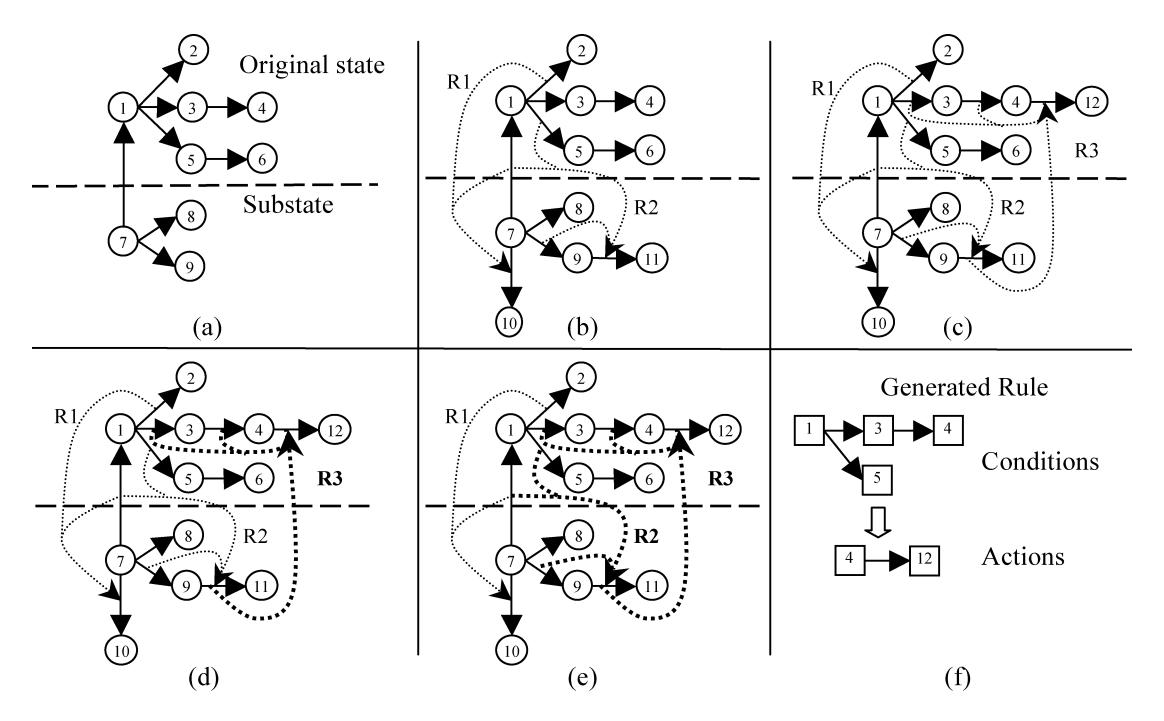
Chunking analyzes the dependencies of a result produced in a substate and creates a new production that can fire in similar future contexts. The mechanism promises transfer and speed, but depends on assumptions about relevance, efficiency, and stability.
Mechanism sequence
- A substate reasoning episode produces a result.
- The architecture identifies which conditions supported that result.
- A new production is formed from those dependencies.
- The production becomes available in future similar contexts.
- Future behavior can bypass or shorten repeated reasoning.
Polymathic lenses
How the chapter reads across cognitive science, AI architecture, learning, memory, and practice.
| Lens | Use in lecture |
|---|---|
| Learning | Chunking is explanation-based proceduralization. |
| Efficiency | The chapter's claims depend on repeated situations and useful generalization. |
| Architecture | Learning is tied to the same reasoning structures used for impasses. |
| Comparison | Chunking changes what can fire; reinforcement learning changes preferences over choices. |
Figures and evidence
Book figures and page anchors that should ground the lecture.
| Claim | Source | Use in lecture | Limit |
|---|---|---|---|
| The chapter introduces chunking in Soar. | PDF page 165 | Grounds the learning mechanism. | Lecture synthesis should cite this anchor and avoid replacing the source chapter. |
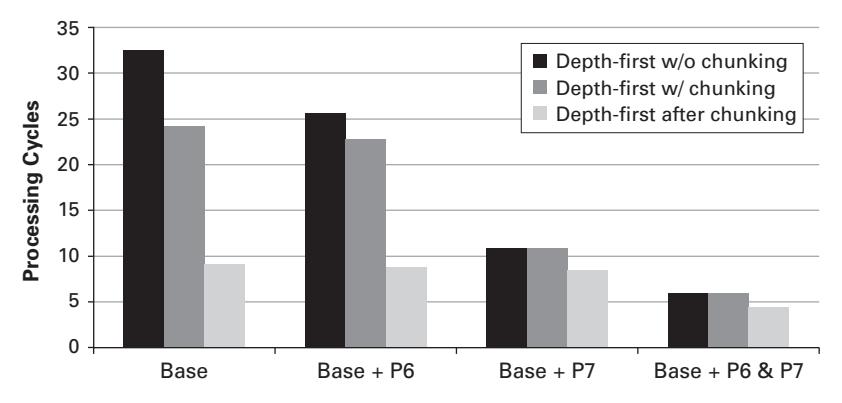
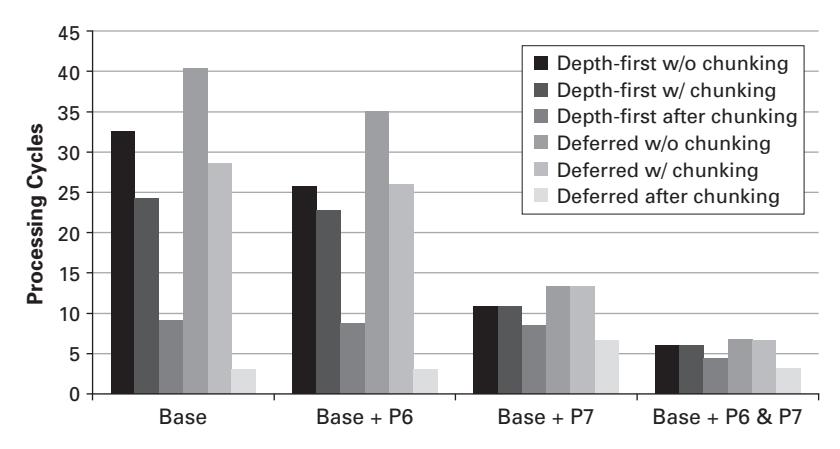
| The chapter discusses implications of chunking. | PDF page 172 | Supports the proceduralization lens. | Lecture synthesis should cite this anchor and avoid replacing the source chapter. |
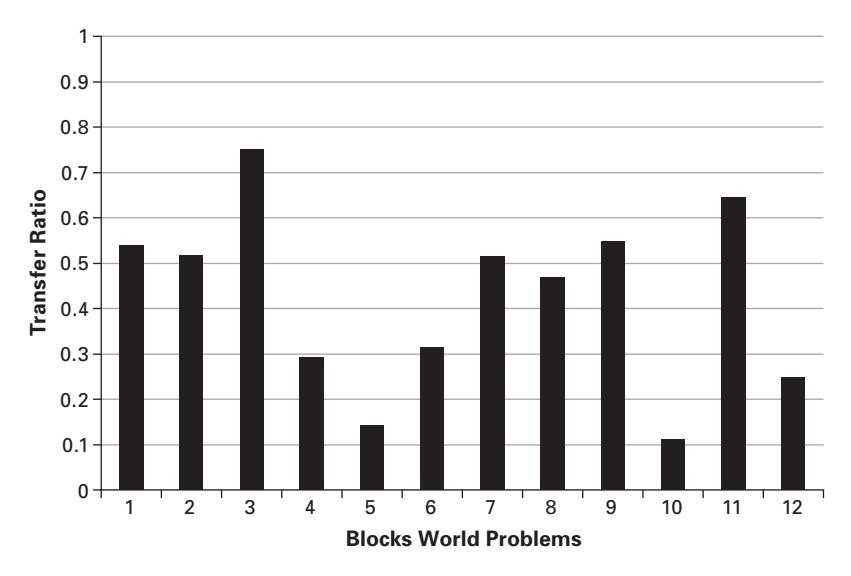
| The chapter analyzes assumptions including efficiency. | PDF page 177 | Supports the assumption register. | Lecture synthesis should cite this anchor and avoid replacing the source chapter. |
Tensions and assumptions
Where the chapter should provoke careful interpretation.
Learning compression
Reasoning can become reusable procedural knowledge.
Chunking makes complex reasoning a source of future automaticity.
Learning assumption
The usefulness of a chunk depends on what it generalizes.
A learned rule is beneficial only when its conditions capture the right regularities.
Assumption register
- Lecture explanations paraphrase and synthesize the chapter rather than reproducing it.
- Generated diagrams are instructor-created interpretive diagrams, not copied book figures.
- Claims about modern relevance should be treated as course synthesis unless a later source is added.
Seminar exercise
A concrete activity to turn reading into usable understanding.
Applied task
Trace a substate result and propose the chunk that would eliminate the same substate next time. Identify one condition that must be included and one tempting condition that should be excluded.
Use the source anchors above when defending the answer.
- What makes a chunk explanatory rather than merely cached?Q1
Prepare an answer with at least one source anchor or a clearly labeled inference.
- How should we evaluate whether chunking improved a model?Q2
Prepare an answer with at least one source anchor or a clearly labeled inference.
- Where can chunking and reinforcement learning conflict or complement each other?Q3
Prepare an answer with at least one source anchor or a clearly labeled inference.
| Moment | Action | Owner |
|---|---|---|
| Before class | Read the chapter note and inspect selected figures. | Student |
| During class | Diagram one mechanism step without notes. | Seminar group |
| After class | Add one claim-evidence-limit row to the course matrix. | Student |
Sources
Trace lecture claims to page anchors, extracted figures, and generated project files.
Reviewed sources
- Chapter 6 - Chunking chapter anchor
- Printed start 159; PDF pages 165-185.
- Chapter 6 - Chunking opening page
- Primary opening source for the chapter note.
- Chapter 6 - Chunking closing page
- End of the chapter page range used for synthesis and review.
- Selected figure 1 from Chapter 6 - Chunking
- Extracted image on PDF page 167.
- Selected figure 2 from Chapter 6 - Chunking
- Extracted image on PDF page 172.
- Selected figure 3 from Chapter 6 - Chunking
- Extracted image on PDF page 174.
- Selected figure 4 from Chapter 6 - Chunking
- Extracted image on PDF page 175.
- The chapter introduces chunking in Soar.
- Grounds the learning mechanism.
- The chapter discusses implications of chunking.
- Supports the proceduralization lens.
- The chapter analyzes assumptions including efficiency.
- Supports the assumption register.